A Deep Study Steel Foundries: Secret Providers and Their Impact on Production
Metal factories are integral to modern-day production, providing necessary services that form the manufacturing landscape. They focus on various casting processes, ensuring precision and top quality in steel parts. The development of technology and sustainable methods has further affected their procedures. As sectors progressively depend on these foundries, understanding their crucial services and the implications for manufacturing effectiveness becomes crucial. What developments and obstacles exist in advance for this critical industry?
Recognizing Steel Casting Procedures
Metal spreading processes transform liquid metal right into strong objects with various strategies, each customized to details applications and materials. Among the most typical methods are sand casting, investment casting, and pass away casting, each offering distinctive benefits. Sand spreading utilizes a mold constructed from sand, enabling the production of huge parts at a reasonably inexpensive. Investment spreading, on the various other hand, entails producing a wax pattern that is covered in ceramic, generating highly in-depth and complicated forms. Pass away casting employs high stress to require molten steel into a mold, which is suitable for mass production of small, exact parts. These procedures enable a vast array of metals to be utilized, including steel, light weight aluminum, and bronze, accommodating varied industrial requirements. The option of an appropriate casting technique depends upon elements such as needed tolerances, manufacturing quantity, and material homes, affecting the total efficiency and effectiveness of the end products.
The Significance of Precision Spreading
Accuracy spreading plays a vital duty in producing elements that demand high precision and detailed details. This method, frequently referred to as investment casting, enables limited tolerances and complex geometries, making it vital in markets such as aerospace, automobile, and clinical tools. By using wax patterns that are coated with a ceramic covering, accuracy spreading makes it possible for the production of get rid of smooth surfaces and minimal finishing requirements.

Alloy Advancement and Product Selection
In the domain name of steel shops, alloy growth and product selection are vital variables influencing the efficiency and longevity of actors parts. The selection of alloy straight affects mechanical residential properties, such as rust, stamina, and ductility resistance, vital for meeting particular application requirements. Shops often involve in considerable research study and screening to maximize alloy structures, customizing them to the distinct needs of various sectors, consisting of automobile, aerospace, and building.
Product selection likewise includes examining elements like expense, manufacturability, and schedule, making sure that the selected alloy straightens with manufacturing abilities and budget constraints. Advanced simulation tools and analytical approaches are utilized to forecast the habits of various alloys under differing problems, giving important understandings for engineers. Eventually, effective alloy advancement and material option enable shops to create top notch parts that boost operational effectiveness and dependability in their designated applications.
Ingenious Molding Strategies
Transforming the production process, innovative molding methods play an essential duty in improving the performance and quality of actors elements in metal foundries. Techniques such as 3D printing and vacuum molding have actually become game changers, permitting intricate designs and decreased lead times. These approaches enable foundries to generate molds with complex geometries that conventional strategies commonly have a hard time to accomplish.
Additionally, making use of innovative products for molds, such as composite resins, enhances longevity and reduces wear, resulting in longer production runs. Fast prototyping further permits quick iterations, assisting in much faster growth cycles and allowing manufacturers to react even more swiftly to market demands.
Moreover, automation in molding procedures enhances procedures, decreasing human error and enhancing throughput. By integrating these ingenious methods, metal shops can maximize their manufacturing capabilities, ultimately resulting in better spreadings and improved total performance in the competitive production landscape.
Quality Assurance in Steel Foundries
Quality control in steel shops is important for ensuring the honesty and efficiency of cast items. It incorporates numerous inspection methods and requirements, as well as issue detection methods to determine possible problems early in the manufacturing procedure. Additionally, robust quality control processes are important for preserving uniformity and meeting industry demands.
Inspection Techniques and Requirements
Assuring the honesty of steel castings calls for extensive evaluation strategies and adherence to developed criteria. Metal foundries carry out numerous examination approaches to review the high quality of actors products, including visual examinations, dimensional checks, and non-destructive testing (NDT) These strategies help to recognize possible defects early in the production procedure. Requirements such as ASTM and ISO offer guidelines for appropriate top quality levels and testing procedures, ensuring that factories maintain consistent quality across their production lines. Conformity with these criteria not just boosts item integrity yet additionally promotes depend on among clients. By focusing on assessment strategies, steel shops can reduce dangers associated with problems and warranty that their castings fulfill client specifications and market needs.
Issue Discovery Methods
Effective flaw discovery approaches are essential to preserving high requirements in steel factories. These techniques encompass a selection of methods aimed at identifying imperfections in castings before they are refined further. Typical strategies consist of visual examination, which depends on the qualified eye of inspectors to spot surface area flaws, and non-destructive screening (NDT) approaches such as ultrasonic testing and radiography, which reveal inner flaws without damaging the material. Additionally, automated systems utilizing machine discovering and artificial intelligence are increasingly made use of to analyze information and identify anomalies. Each approach plays a vital role in guaranteeing the honesty of the end product, lessening waste, and boosting general manufacturing effectiveness. By carrying out durable defect detection procedures, shops can copyright their track record for high quality.
Quality Control Processes
In metal factories, a thorough quality guarantee procedure is crucial for creating dependable and high-performing castings. This procedure incorporates different phases, including raw material inspection, in-process monitoring, and end product evaluation. By carrying out standard treatments, shops can systematically identify and correct issues before they intensify right into costly issues. Advanced methods, such as non-destructive testing and metallurgical evaluation, are utilized to examine the integrity of castings. Moreover, paperwork and traceability are vital components, making sure that each step of production meets strict quality standards. Educating workers in top quality control techniques additionally improves the effectiveness of these procedures. Ultimately, a durable high quality guarantee framework not just improves functional efficiency yet also strengthens client depend on and complete satisfaction in the factory's result.
The Function of Technology in Shop Workflow
Innovation reinvents factory operations by improving performance, accuracy, and safety and security. Automation plays a vital function, improving procedures such as mold and mildew making and steel pouring, therefore lowering labor costs and lessening human error. Advanced computer-aided layout (CAD) software application makes it possible for exact modeling of elements, helping with quicker changes and iterations during manufacturing.
The combination of robotics in tasks like product handling and finishing procedures enhances performance and guarantees consistent quality. Real-time monitoring systems and data analytics give useful understandings right into functional performance, enabling prompt treatments and upkeep, which ultimately lengthens tools lifespan
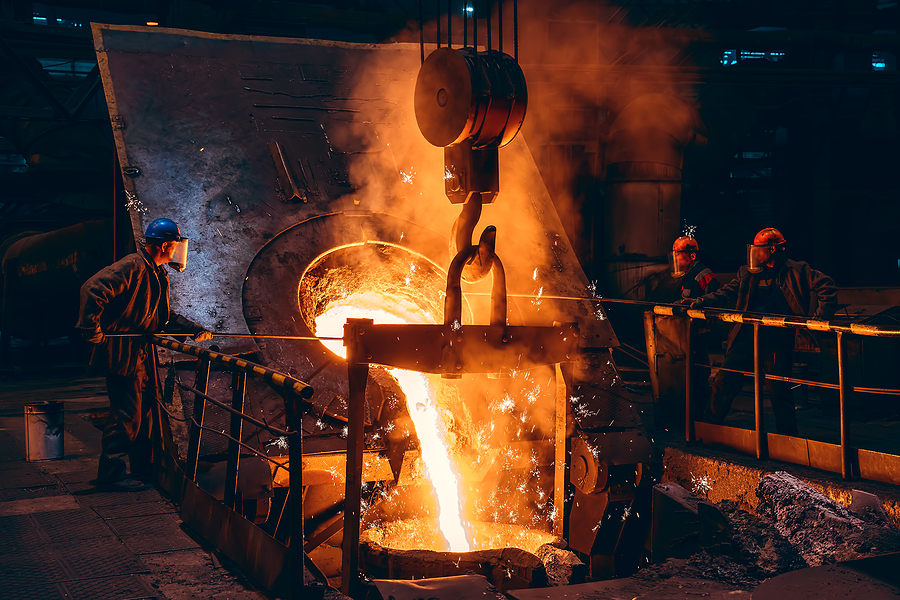
The adoption of 3D printing innovation further allows quick prototyping and customized remedies, noticeably reducing preparations. In addition, advanced products innovation enhances the residential properties of alloys, boosting spreading performance. To summarize, technological improvements are crucial in maximizing shop procedures, making it possible for manufacturers to fulfill the boosting demands for quality and efficiency in the affordable steel industry.
Ecological Considerations in Metal Casting
Environmental considerations in steel casting play a significant duty in forming market techniques. Reliable waste administration, advanced emission control modern technologies, and the usage of the original source lasting materials are essential for decreasing the ecological impact of factories. Addressing these elements is imperative for advertising a more lasting future in metal production.
Waste Monitoring Practices
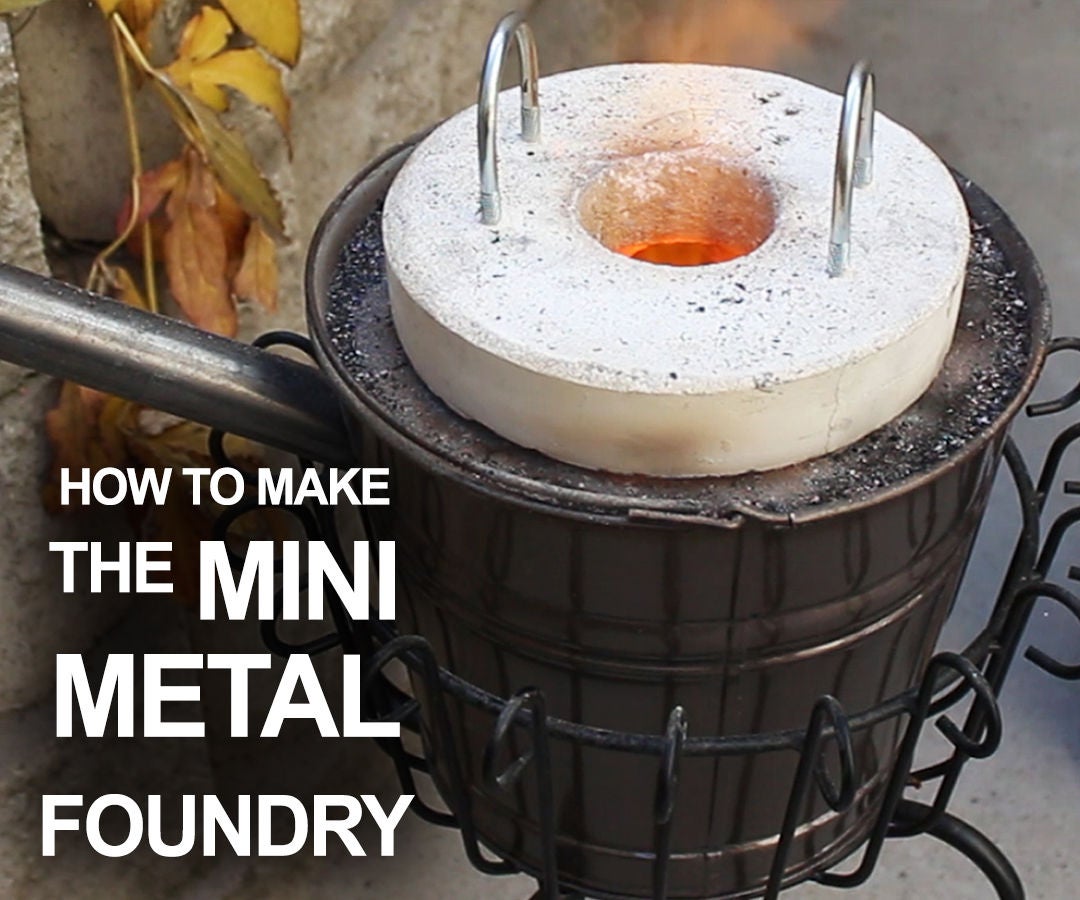
Effective waste monitoring techniques are vital in the metal spreading market to alleviate ecological impacts. Metal Foundry. Shops generate different types of waste, including metal sand, chemical, and scrap residues. Executing recycling programs permits for the repurposing of metal scrap, decreasing the requirement for virgin materials and minimizing land fill contributions. Furthermore, foundries usually use sand recovery procedures, which reuse and recoup sand multiple times, consequently decreasing waste generation. Appropriate disposal methods for harmful products, such as binding agents and solvents, are vital to stop dirt and water contamination. Moreover, worker training on waste segregation and decrease strategies can enhance total effectiveness and sustainability. With these practices, steel shops can markedly lower their eco-friendly impact while preserving production efficiency
Discharge Control Technologies
As the steel casting market evolves, the application of advanced emission control innovations ends up being significantly essential for decreasing damaging contaminants released throughout manufacturing procedures. These innovations this content encompass numerous methods, consisting of electrostatic precipitators, scrubbers, and catalytic converters, which efficiently catch and neutralize emissions before they go into the environment. By incorporating such systems, shops can noticeably decrease particle issue, volatile organic compounds, and various other harmful exhausts. Additionally, conformity with rigorous ecological policies not only minimizes ecological influence however also boosts the sector's track record and operational effectiveness. The adoption of these technologies mirrors a commitment to lasting techniques, making certain that steel casting procedures can satisfy the expanding need while focusing on environmental wellness and security.
Sustainable Products Use
Lasting products use in steel casting plays a necessary role in reducing the industry's eco-friendly impact. Foundries are progressively adopting recycled steels, which considerably reduce the demand for virgin resources and reduced energy consumption during the production procedure. Furthermore, using environment-friendly binders and additives boosts the sustainability of casting operations by decreasing dangerous discharges and waste. Innovations in product science also enable the growth of biodegradable choices that do not compromise item top quality. Additionally, foundries are carrying out life-cycle evaluations to examine the ecological impact of materials throughout their life expectancy, advertising even more responsible sourcing and usage. Overall, these practices add to a more sustainable and environmentally mindful metal casting market, aligning with worldwide initiatives to decrease carbon impacts.
Frequently Asked Questions
What Are the Main Kind Of Metal Utilized in Factories?
Factories mainly utilize steels such as iron, magnesium, aluminum, and copper. These products are selected for their special buildings, which influence the casting process and the performance characteristics of the end products produced.
Exactly How Do Factories Make Sure Worker Security During Operations?
Shops guarantee worker safety via extensive training, correct equipment, ventilation systems, and adherence to safety laws. Routine assessments, individual safety equipment, and emergency methods additionally improve a risk-free functioning setting for employees participated in metal production.
What Is the Common Lead Time for Casting Production?
The regular preparation for casting production differs, usually ranging from a few weeks to a number of months. Factors affecting this timeline consist of complexity of the style, product accessibility, and the foundry's production capacity and organizing.
How Do Factories Handle Waste and Recycling Processes?
Factories manage waste and recycling by implementing processes such as steel reclamation, sand recycling, and correct disposal of dangerous products, therefore decreasing environmental effect and advertising sustainability in their procedures while adhering to governing standards.
What Industries A Lot Of Generally Make Use Of Steel Shop Services?
Steel shop services are mostly made use of in industries such as vehicle, equipment, building, and aerospace manufacturing. These markets count on factories for creating actors steel parts important for different applications and product growth.
Steel foundries are essential to modern-day manufacturing, supplying essential services that form the production landscape. Metal casting processes click to read change fluid metal right into solid items with numerous strategies, each tailored to certain applications and materials. As innovation developments, the importance of accuracy spreading continues to grow, driving technology and efficiency in steel factory operations. Revolutionizing the production process, innovative molding techniques play a crucial role in boosting the efficiency and top quality of cast components in steel foundries. In steel factories, a detailed top quality assurance process is important for creating dependable and high-performing castings.